
How to Get Rid of Body Odor
 0
0
 0
0
Body odor is one of those issues that can feel embarrassing, even though it’s completely normal and incredibly common. It doesn’t automatically mean someone is “dirty,” and it doesn’t always come from sweating alone. Body odor happens when sweat mixes with bacteria on the skin, creating a smell that can range from mild to strong depending on genetics, diet, stress levels, hormones, and daily habits. For some people, odor only shows up after workouts or hot weather. For others, it can appear quickly even after a shower, which can be frustrating and confusing. The good news is that body odor is usually manageable with the right routine, and most solutions don’t require expensive products or complicated treatments. This guide breaks down what actually causes body odor and explains practical, realistic ways to reduce it—from better cleansing methods to clothing choices, diet adjustments, and when it may be time to speak with a doctor.
Understand What Causes Body Odor (It’s Not Just Sweat)
One of the biggest misconceptions about body odor is that sweat itself smells bad. In reality, sweat is mostly odorless. The smell happens when sweat mixes with bacteria living on the skin. These bacteria break down proteins and fatty acids in sweat, creating that unpleasant odor. This is why areas like the armpits, groin, and feet are most commonly affected—they have more sweat glands and tend to stay warm and moist.
There are also different types of sweat glands. Eccrine glands produce watery sweat that helps cool the body, while apocrine glands (found mainly in armpits and groin) produce thicker sweat that contains more proteins. Apocrine sweat is what bacteria love most, which is why odor tends to be strongest in those areas.
This is where health and beauty hygiene tips become important. When someone understands the real cause, the solutions become much clearer. Instead of blaming sweat alone, it becomes about controlling bacteria, reducing moisture, and improving daily habits that influence skin chemistry.
Showering Smarter: The Best Way to Actually Remove Odor
Many people shower daily and still struggle with body odor, which can feel confusing. The issue is often not the frequency of showering, but the technique and products being used. A quick rinse may remove sweat, but it doesn’t always remove the bacteria and residue that contribute to odor buildup.
Using an antibacterial soap or a gentle cleanser with ingredients like benzoyl peroxide can help reduce odor-causing bacteria, especially in the underarm area. Another key detail is letting soap sit for 30–60 seconds before rinsing. This gives the cleanser time to work rather than washing it off immediately.
Drying properly also matters more than people think. Odor thrives in moisture. If someone puts on clothes while still damp, bacteria can multiply faster. A clean towel, thorough drying, and even using a blow dryer on a cool setting for tricky areas can make a noticeable difference.
Many everyday wellness guidance routines emphasize that hygiene isn’t just “shower and go.” It’s about consistency and doing the small steps correctly. A few changes in shower habits can eliminate odor problems that have lasted for years.
Deodorant vs. Antiperspirant: Knowing the Difference Matters
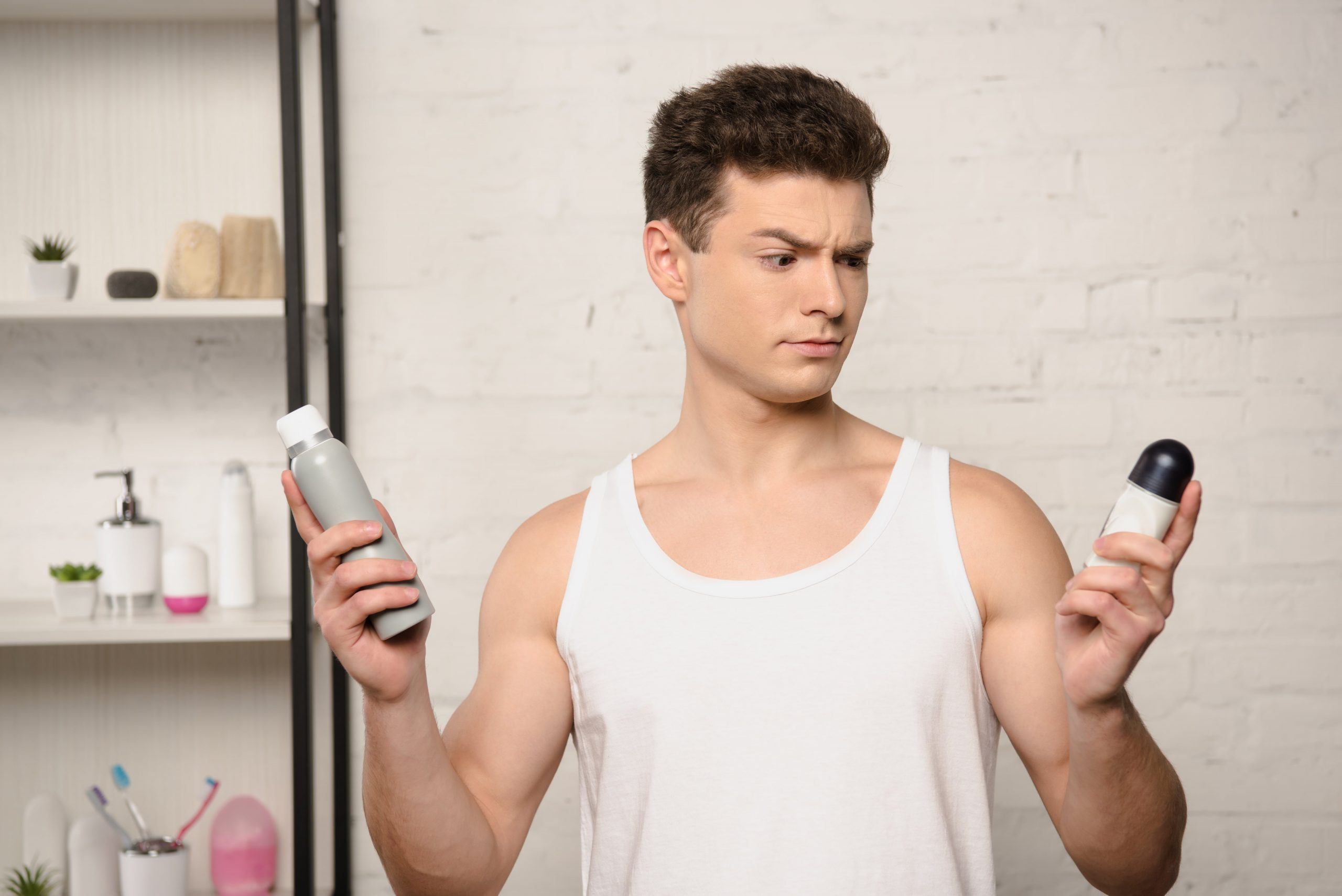
A lot of people buy deodorant thinking it will stop sweat. Others buy antiperspirant expecting it to eliminate odor completely. The truth is: they do different jobs. Deodorant mainly targets smell by masking odor and reducing bacteria. Antiperspirant targets sweat by temporarily blocking sweat glands with aluminum-based ingredients.
For people dealing with strong body odor, antiperspirant is often more effective because less sweat means less moisture for bacteria to thrive in. Many dermatologists also recommend applying antiperspirant at night rather than in the morning. At night, sweat glands are less active, which allows the product to absorb and work better.
Reapplying during the day can help too, but only if the skin is clean. Putting deodorant on top of sweat can create a stronger smell over time. If reapplication is needed, wiping the area with a wet cloth or cleansing wipe first makes a huge difference.
Within health and beauty hygiene tips, this is one of the most practical upgrades someone can make. Choosing the right product and using it correctly often solves body odor without needing extreme solutions.
Clothing, Fabrics, and Laundry: The Hidden Source of Odor
Sometimes body odor isn’t only coming from the body—it’s coming from clothing. Certain fabrics, especially synthetic materials like polyester, trap sweat and bacteria more than breathable fabrics. This is why some people smell fine at home but develop odor quickly once they put on a certain shirt.
Workout clothes are a major culprit. Athletic fabrics are designed to wick moisture, but they also hold bacteria and odor if they aren’t washed properly. Using a strong detergent, adding white vinegar to the wash, or using a laundry sanitizer can remove stubborn smells. It also helps to avoid leaving sweaty clothes in a gym bag or laundry basket for too long.
Another overlooked issue is re-wearing clothes that “seem clean.” A shirt might not smell when it’s dry, but as soon as body heat and sweat activate it, the odor comes back. That’s a sign that bacteria is still present in the fabric.
Many everyday wellness guidance habits include wardrobe adjustments because they’re surprisingly powerful. Switching to breathable cotton, changing socks daily, and upgrading laundry routines can reduce odor dramatically without changing anything else.
Diet, Stress, and Hormones: Why Odor Can Change Suddenly
Body odor isn’t only about hygiene. Diet plays a major role in how someone smells. Foods like garlic, onions, spicy meals, and certain types of red meat can influence body odor because the compounds are released through sweat. Alcohol can also change body chemistry and make odor more noticeable.
Stress is another major factor. Stress sweat is produced mainly by apocrine glands and contains more proteins and lipids, which bacteria break down more aggressively. This is why people often notice stronger odor during anxiety, high-pressure workdays, or emotionally intense situations.
Hormones also affect odor. Teenagers going through puberty often have stronger body odor due to hormonal shifts. Adults can experience changes during pregnancy, menopause, or thyroid imbalances. Even certain medications can influence sweat and odor.
This is where health and beauty hygiene tips become more holistic. Sometimes the best fix isn’t just better soap—it’s reducing stress, drinking more water, and adjusting diet. When someone understands what triggers odor changes, they can manage it instead of feeling confused or embarrassed.
When Body Odor Might Be a Medical Issue (And What to Do)
In most cases, body odor is normal and manageable. But sometimes, persistent or unusually strong odor can signal an underlying issue. Conditions like hyperhidrosis (excessive sweating) can make odor harder to control because moisture is constantly present. Skin infections, fungal overgrowth, or even certain metabolic disorders can also cause unusual smells.
One example is bromhidrosis, which is chronic strong body odor caused by bacteria and sweat gland activity. Another rare but known condition is trimethylaminuria, sometimes called “fish odor syndrome,” where the body has difficulty breaking down certain compounds, leading to a distinct smell.
If someone has tried proper hygiene, strong antiperspirant, clothing changes, and diet improvements and still experiences severe odor, it may be time to speak with a healthcare professional. Dermatologists can offer prescription-strength antiperspirants, topical treatments, or other medical solutions.
In many everyday wellness guidance resources, this is an important reminder: body odor is usually not serious, but persistent odor that doesn’t respond to basic fixes shouldn’t be ignored. Seeking help is not dramatic—it’s practical.
Conclusion
Getting rid of body odor is usually less complicated than it feels, but it requires understanding what actually causes the smell. Since odor is created when sweat interacts with bacteria, the best solutions focus on reducing bacteria, controlling moisture, and improving daily routines. Showering with the right cleansing method, drying thoroughly, and using deodorant or antiperspirant correctly can make a major difference. Clothing choices and laundry habits also matter more than many people realize, especially with synthetic fabrics that trap odor. For those who notice sudden changes, diet, stress, and hormones can all influence body chemistry and sweat patterns. Most importantly, if odor persists despite consistent hygiene and lifestyle improvements, it may be worth checking in with a medical professional for stronger or targeted treatment. With the right approach, body odor can be managed confidently, allowing people to feel clean, comfortable, and more at ease in daily life.